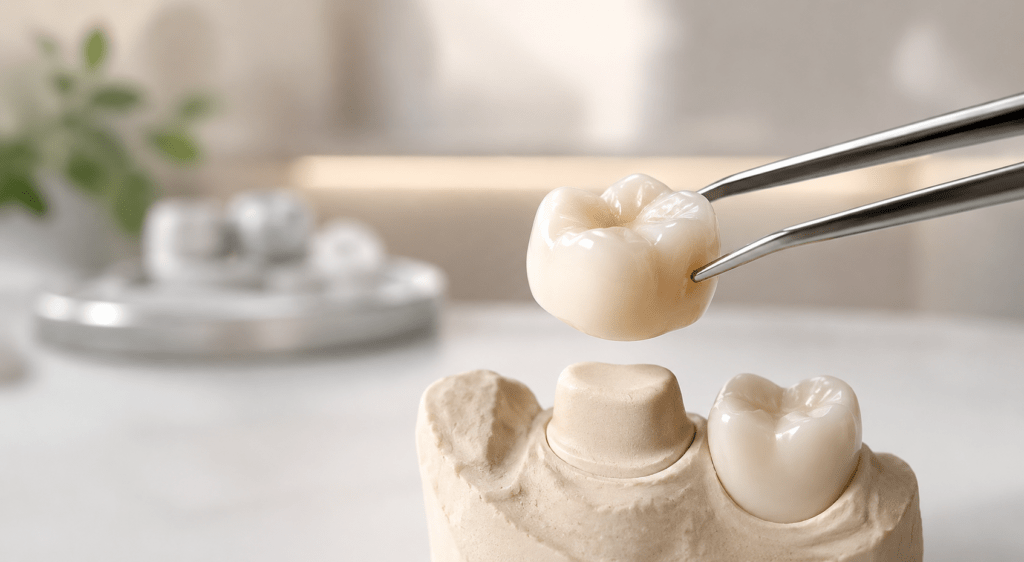
A dental crown is a custom restoration that covers the whole visible part of a tooth. If a crown has been suggested to you, a useful first step is understanding why it has been proposed, what preparation is involved and what looking after it will mean.
Crowns may be considered where a tooth is heavily filled, cracked, worn or has had root canal treatment. Your dentist will assess the tooth individually and explain whether a crown, a smaller restoration or another option may suit your situation.
The plan should account for the amount of remaining tooth structure, your bite and your gum health, as well as the appearance you prefer. Bring your questions about materials, treatment time and maintenance to the consultation. You can also read our guide to crown and bridge materials and options.
At Parramatta Dentistry | Cosmetique Dental, new and existing patients can request a free crown consultation at our Hunter Street practice.
A crown may not be appropriate where there is untreated decay, active gum disease or insufficient tooth structure to support the restoration. Tooth grinding and the condition of the root can also influence your options.
If a filling, an onlay or, in some cases, extraction and replacement would address the problem with a different level of intervention, your dentist will explain that choice. You can also decide to delay treatment after discussing the risks of doing so.
Crown materials differ in appearance, preparation and how they wear against opposing teeth. Ask which material, if any, is appropriate for your tooth and why.
Your dentist will outline the sequence for your particular case. Appointment numbers and timing depend on preparation, the restoration and any other care required.

Discuss your symptoms, your dental health and whether a crown or another option may suit you. The consultation may include photographs and X-rays where clinically necessary. There is no obligation to proceed with treatment.

Your dentist will explain how much tooth structure needs to be shaped and whether any underlying repair, such as a build-up, is required first. Preparation that removes tooth structure is irreversible.

A scan or impression is taken so the crown can be made to fit. A temporary crown is usually placed to protect the tooth in the meantime.

The restoration is made to the agreed plan and shade. Your team will explain the production stages and expected timing.

Your dentist checks the fit, appearance and bite before cementing the crown, then explains the initial aftercare.

Follow the cleaning advice and attend the reviews recommended for you. Crowns may need repairs or replacement over time.
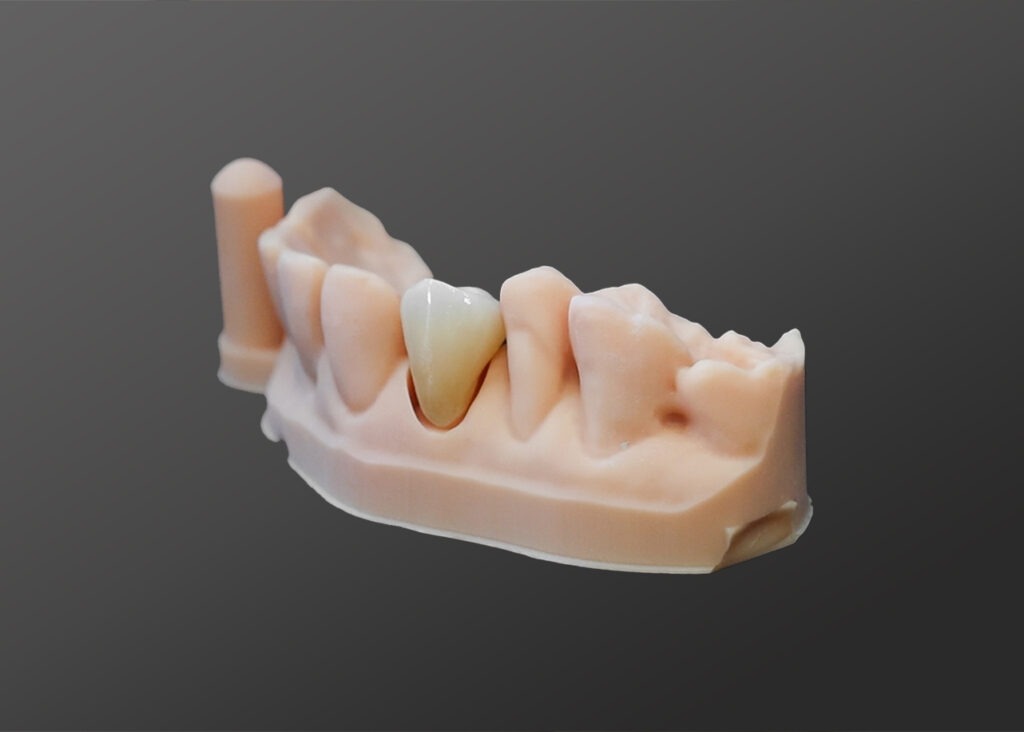
Fees depend on the material chosen, the preparation required and any supporting treatment such as a build-up or root canal. Your dentist will provide a personalised plan and explain the proposed charges, along with maintenance considerations.
Health fund rebates vary between policies and levels of cover. Bring your details to the consultation so the out-of-pocket estimate can be discussed with you.
Humm payment plans are available through an external provider, subject to eligibility, approval, fees and terms.
Call (02) 8090 1109 to arrange your consultation. Whitening does not change crown materials, so discuss any plans to whiten natural teeth before a shade is selected.
Your dentist will explain how to clean around the crown margin and what to expect as you adjust to it. Regular dental reviews allow the crown, gums and supporting tooth to be checked.
Contact us if the crown feels loose, if you notice a change in your bite, or if the tooth becomes sensitive or uncomfortable. Advice about protecting teeth from clenching or grinding will depend on your assessment.
Where preparation reshapes the tooth, the change is irreversible. Your dentist will explain the extent of preparation before you decide. A crown is not a lifetime guarantee and may eventually need replacement.
Risks include tooth sensitivity, nerve inflammation that may later require root canal treatment, the crown coming loose, fracture, gum recession and changes in how the crown meets the opposing teeth. The underlying tooth can still develop decay at the margin.
A planned shade cannot guarantee the final appearance, and ceramic can chip. Your dentist will discuss these risks and the alternatives with you before treatment begins.
Request our price guide as a starting point, then speak with us about an itemised quote for your individual care. We will explain what is included and any additional treatment that may be needed.